The short version
What was on this corner?
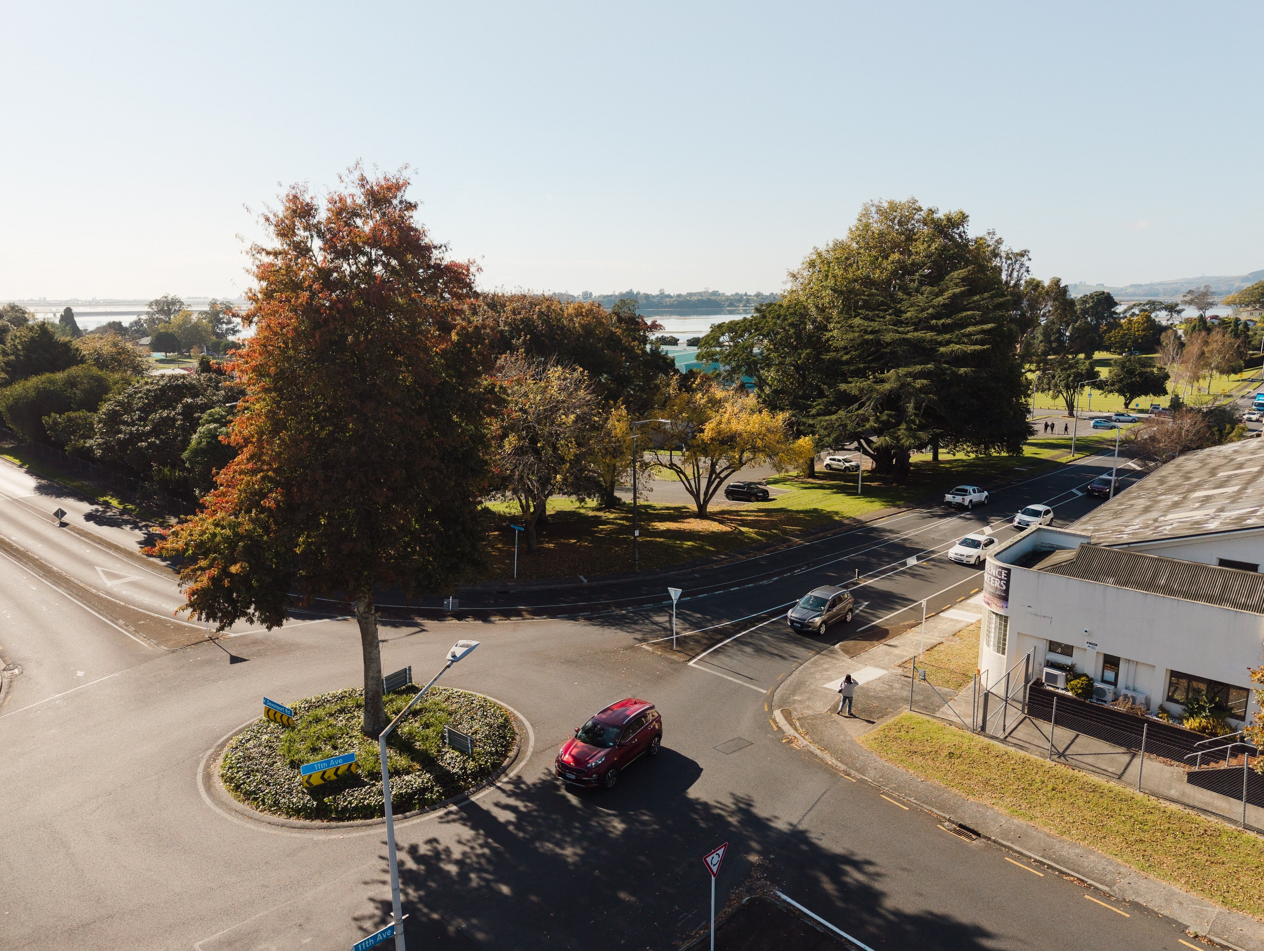
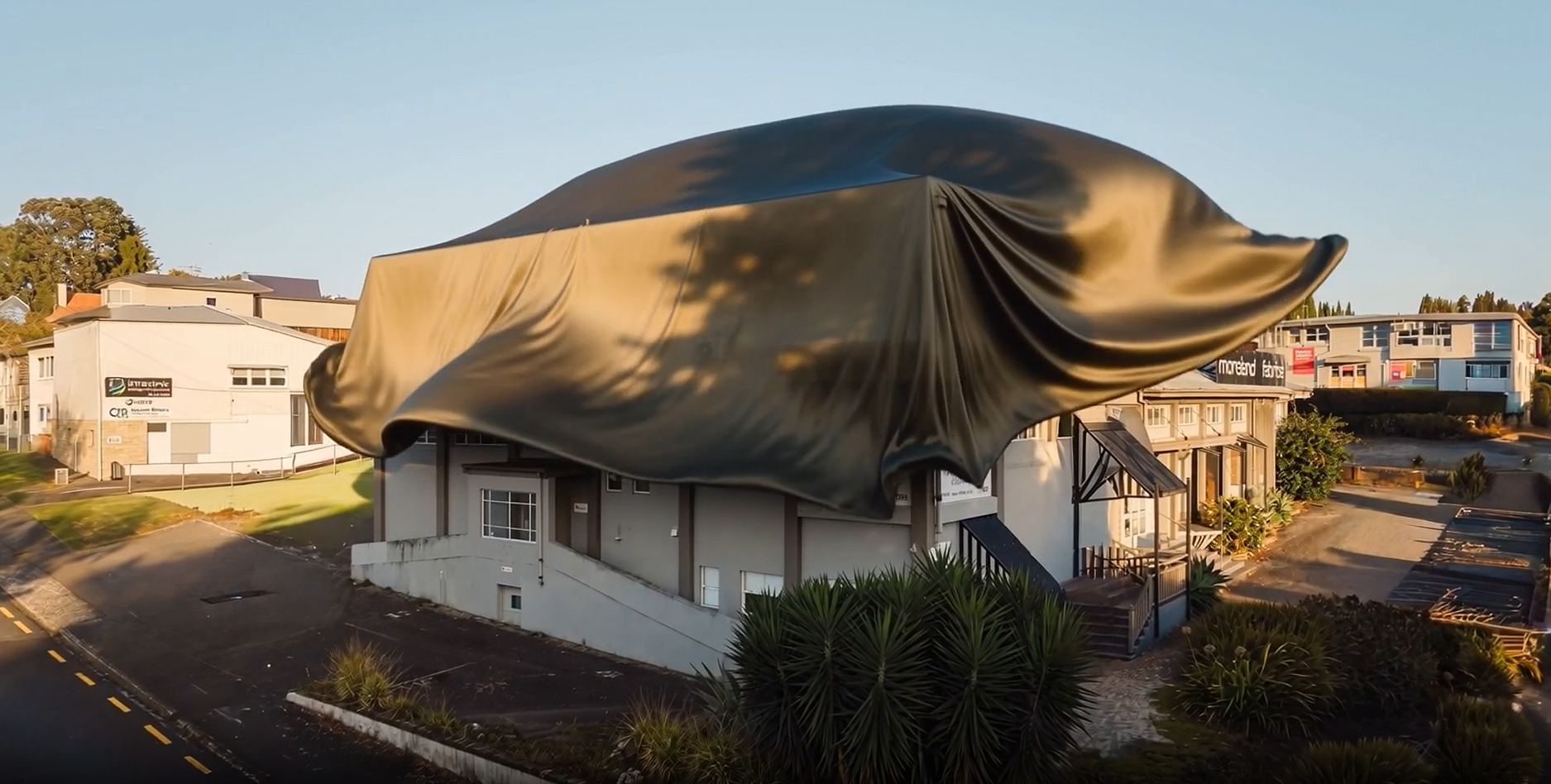
On the corner of Eleventh Avenue and Devonport Road, opposite Memorial Park in Tauranga South, stands a site that has served the city for more than 140 years. This corner was the commercial heart of the Tauranga Dairy Company, its offices and its store, where head office staff worked and where the town came to shop. The butter factory itself stood just across Devonport Road. Later the corner became Moreland House, home of Moreland Fabrics, and today it begins its next chapter as PARKSIDE on Devonport, eighteen homes that carry the corner's story forward.
The reason
Why was this corner chosen?
Water. Eleventh Avenue was picked for the dairy industry because of its reliable supply of fresh water, an essential ingredient in butter making. The factory rose on one side of the road, the company's offices and store on this one. That same connection to the landscape, the water, Memorial Park and the harbour beyond, still defines the corner today.
1883 to today
The story of the corner
The dairy years
The Tauranga Dairy Company is born
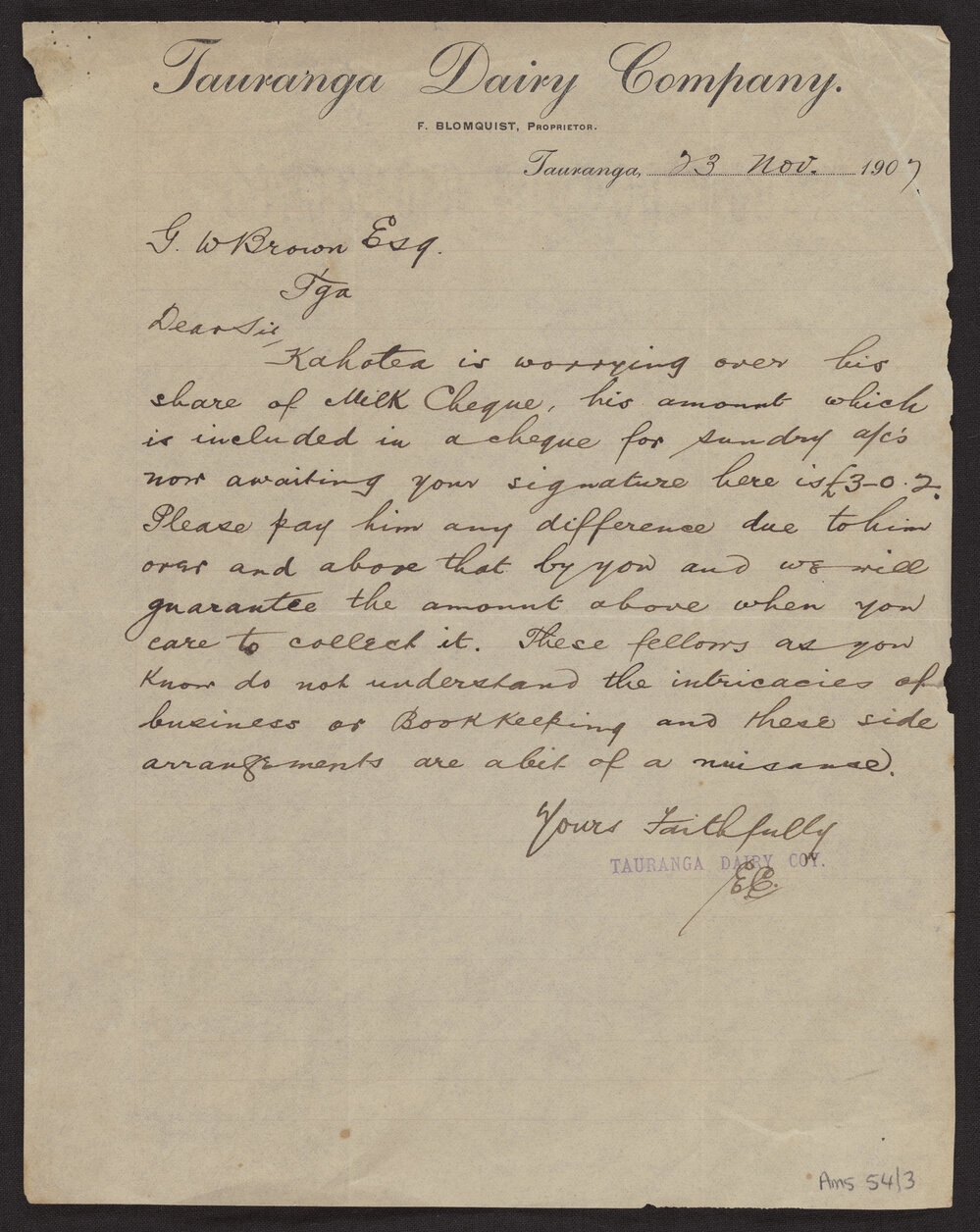
Local farmers and investors meet and raise half the capital needed on the very first night. From the outset they favour keeping the investment local. The Blomquist family are remembered as instrumental in founding the district's dairy industry.
The butter factory opens across the road
The Tauranga Dairy Company's factory opens just across Devonport Road. Locals are encouraged to buy the home made butter over cheaper imported product, and the business grows alongside the town. This corner becomes the company's commercial side: its offices, and in time the store the town would come to love.
Reopened, and growing
After a closure during the 1890s depression, the factory reopens under Mr McPartland, formerly of the Te Puke Dairy Company. Suppliers are paid three pence per gallon of milk.
A new factory, and a man on horseback
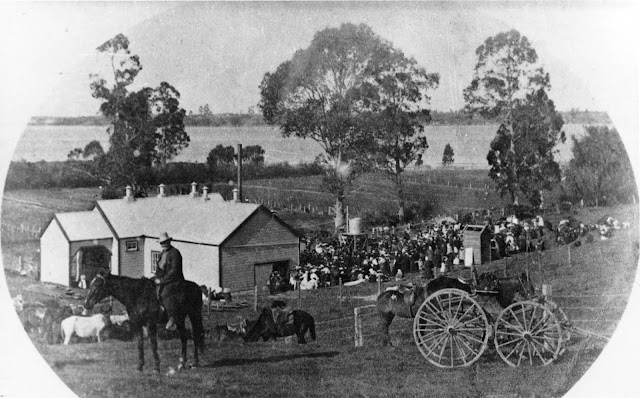
The expanded Tauranga Dairy Factory opens across the road. Company secretary Charles Macmillan, later a Borough Councillor, Member of Parliament and Minister of Agriculture, is photographed on horseback at the occasion.
A prize-winning product
By the First World War, exporting butter has become viable, and Britain's wartime need for food opens a large market. Across the road, the factory runs at full operation and wins many prizes at shows around the country.

The cream carriers
Before refrigerated trucks, cream is collected by hand. Jack Heaton and Alf Baikie begin their carrying careers in the 1920s, picking up cream cans from rural Tauranga farms and delivering them to the factory across Devonport Road.
The corner that paid the town
In one season, ninety thousand pounds is paid out to suppliers, the bulk of it spent in Tauranga. The corner is, quite literally, feeding the local economy.
The trading store
This is the corner everyone remembers
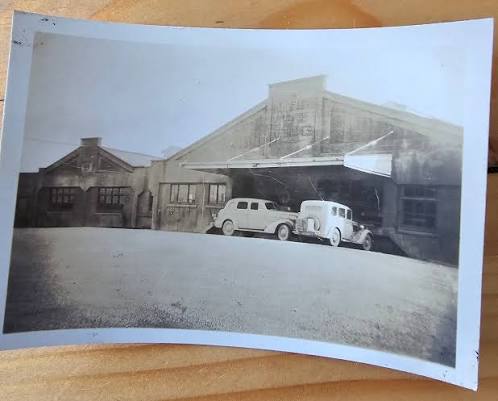
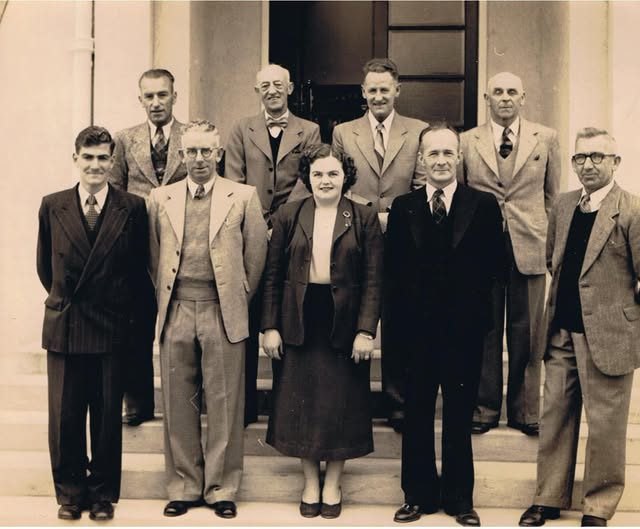
The Dairy Company's offices and its celebrated store stand right here, where head office staff work and the whole town comes to shop. Norm Fletcher serves as store manager until his retirement in 1969. For a generation of locals, this is simply where you went, for dairy goods, farm supplies, and ice cream.
Across the road
The factory becomes the Army Hall
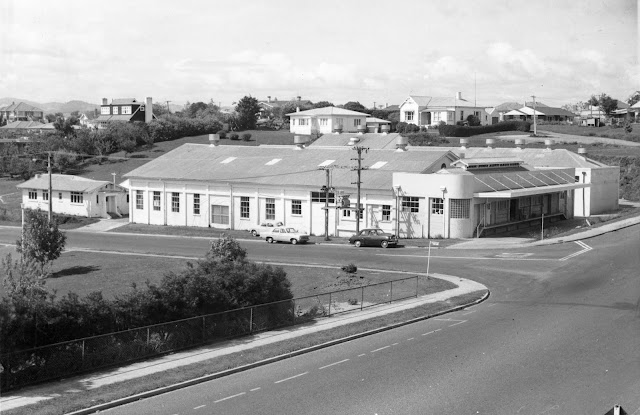
Across Devonport Road, the former butter factory site takes on a new life. The Hauraki Regiment moves its battalion headquarters there, and the building becomes the Hauraki Army Hall, home to a drill hall and the Hauraki Army Museum. Part of the corner's wider story, still standing in living memory.

The fabric years
Moreland House
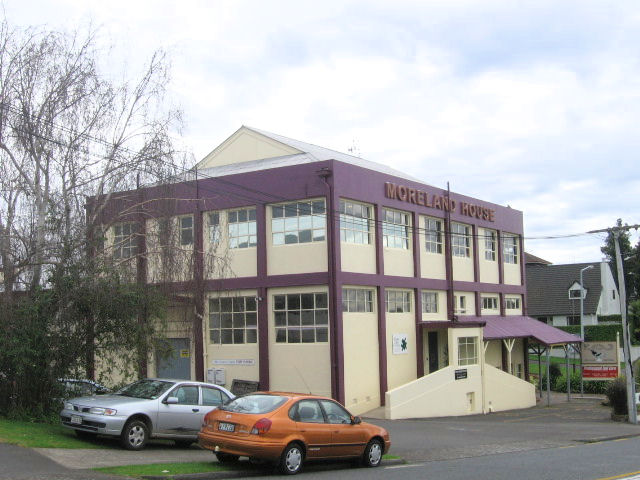
When the Dairy Company moves on, the corner building becomes home to Moreland Fabrics, trading as Moreland House. Cloth, craft and a hairdresser take over from cream and butter. A new kind of gathering place, and the name many in Tauranga still know the corner by.

Now
PARKSIDE on Devonport
The corner begins its next chapter as PARKSIDE on Devonport, eighteen homes opposite Memorial Park with views toward the water and Matapihi beyond. The trades change, the role does not. After 140 years of feeding, supplying and serving Tauranga, the corner carries its story forward, this time as a place to live.